Field-tested insights on AI agent security, governance, and operations
In-depth guides from the Watch Tower Agents team on running autonomous AI safely at enterprise scale.
The Risks of AI Agents Without Monitoring: What Unobserved Autonomy Costs Enterprises in 2026
Unmonitored AI agents create silent, compounding risk — runaway token spend, data exfiltration, prompt injection, hallucinated actions, non-human identity sprawl, and audit gaps. A practical 2026 guide to the twelve risks of running AI agents without monitoring, the warning signs, and the observability and runtime controls that close them.

AI Agent Guardrails: The Complete Guide to Token, Cost, and Safety Controls in 2026
A practical, framework-aligned guide to AI agent guardrails in 2026 — input and output filters, token and cost caps, tool-call allow-lists, PII and secret redaction, hallucination and prompt-injection defense, human-in-the-loop gates, and audit evidence that maps to NIST AI RMF, ISO/IEC 42001, SOC 2, and the EU AI Act.
MCP Server Security: The 2026 Guide to Securing Model Context Protocol Servers
A complete guide to MCP server security in 2026 — how the Model Context Protocol works, the top attack surfaces (tool poisoning, prompt injection through tool descriptions, credential leakage, confused deputy), and the controls enterprises need to run MCP safely at scale.
AI Agent Security Best Practices: The 2026 Enterprise Playbook
A practical, framework-aligned guide to AI agent security best practices in 2026 — identity, least-privilege tool access, prompt-injection defense, runtime monitoring, audit logging, kill switches, and continuous compliance evidence for SOC 2, HIPAA, GDPR, NIST AI RMF, ISO/IEC 42001, and the EU AI Act.
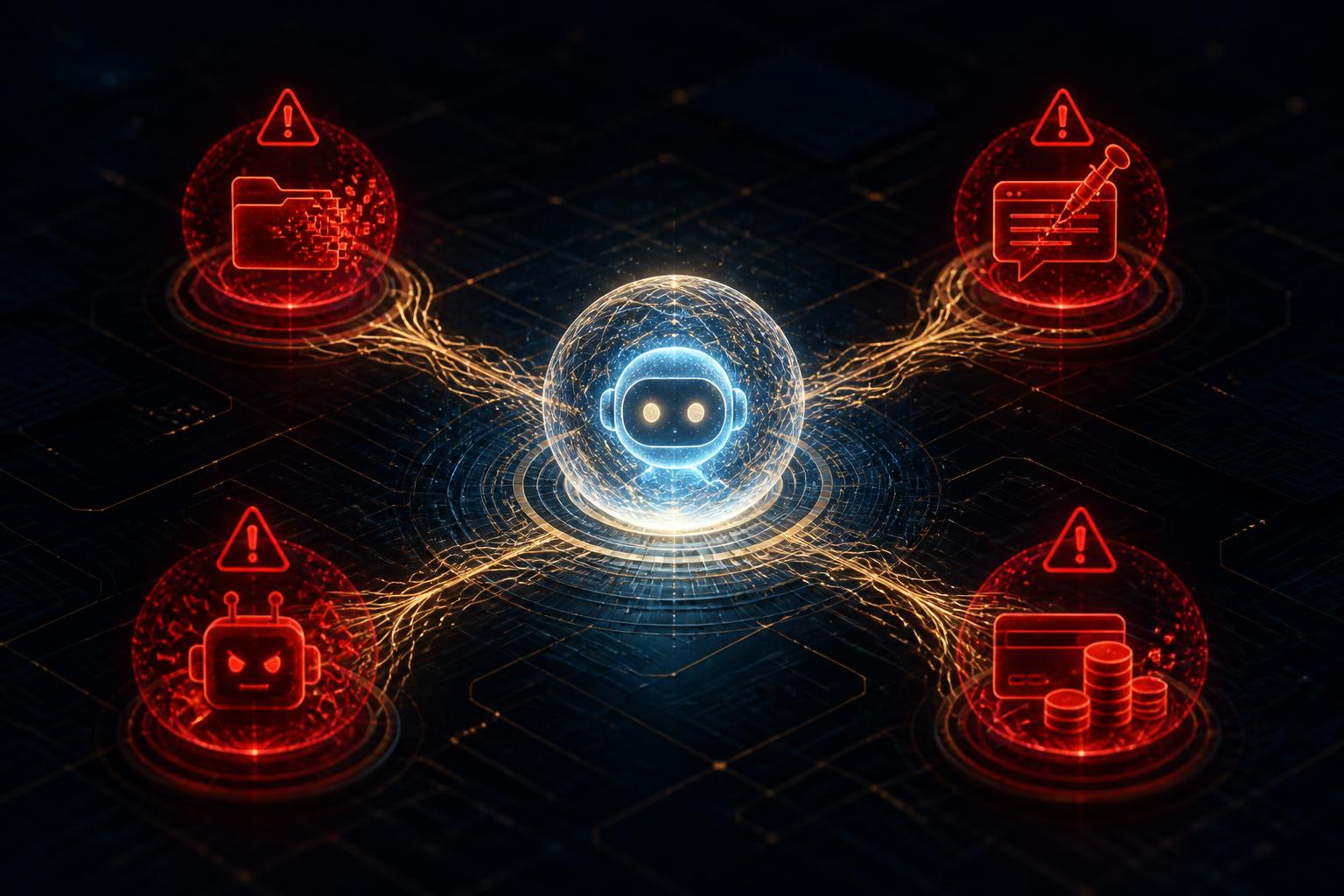
Risks of Agentic AI: The Complete 2026 Guide for Enterprise Security and Compliance Leaders
Agentic AI introduces a new class of enterprise risk: autonomous systems that plan, decide, and act across your tools at machine speed. This guide breaks down the top risks of agentic AI in 2026 — prompt injection, runaway agent loops, data exfiltration, unauthorized transactions, identity sprawl, supply-chain compromise, and regulatory exposure — and the concrete controls security, compliance, and platform teams need to mitigate each one.
AI Agent Identity: How to Manage and Secure Non-Human Identities in 2026
AI agent identity is the credential, scope, and behavioral fingerprint that lets an autonomous agent act on behalf of your business — and lets you prove who did what. This guide explains what AI agent identity is, why it is different from human IAM, how to issue and rotate agent credentials, how merchants verify agent identity at checkout, and the controls enterprises need to govern non-human identities in 2026.
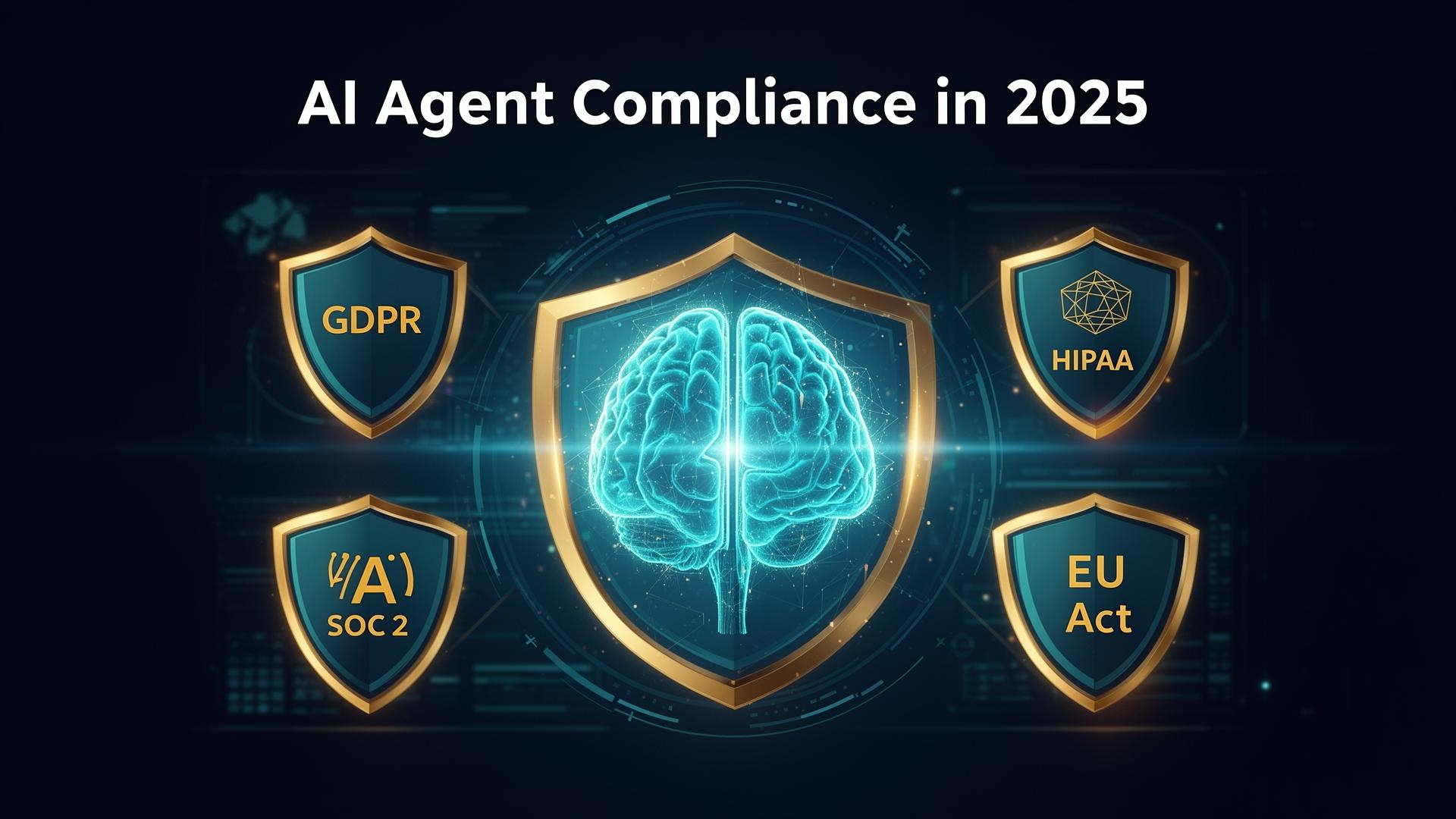
AI Agent Compliance: What Enterprises Need to Know in 2025
AI agent compliance is the discipline of proving that every autonomous AI agent in your enterprise operates within legal, regulatory, contractual, and ethical boundaries. Here is a 2025 playbook covering the EU AI Act, NIST AI RMF, ISO/IEC 42001, SOC 2, HIPAA, GDPR, and PCI DSS — and the controls, evidence, and audit trails enterprises need to stay compliant as agents take real-world actions.

Shadow AI Agents: How to Discover and Govern Unsanctioned AI in Your Organization
Shadow AI agents — unsanctioned chatbots, copilots, browser extensions, and autonomous workflows employees deploy without IT approval — are the fastest-growing blind spot in enterprise security. Here is how to discover shadow AI, the risks it creates, and a step-by-step governance framework to bring it under control.
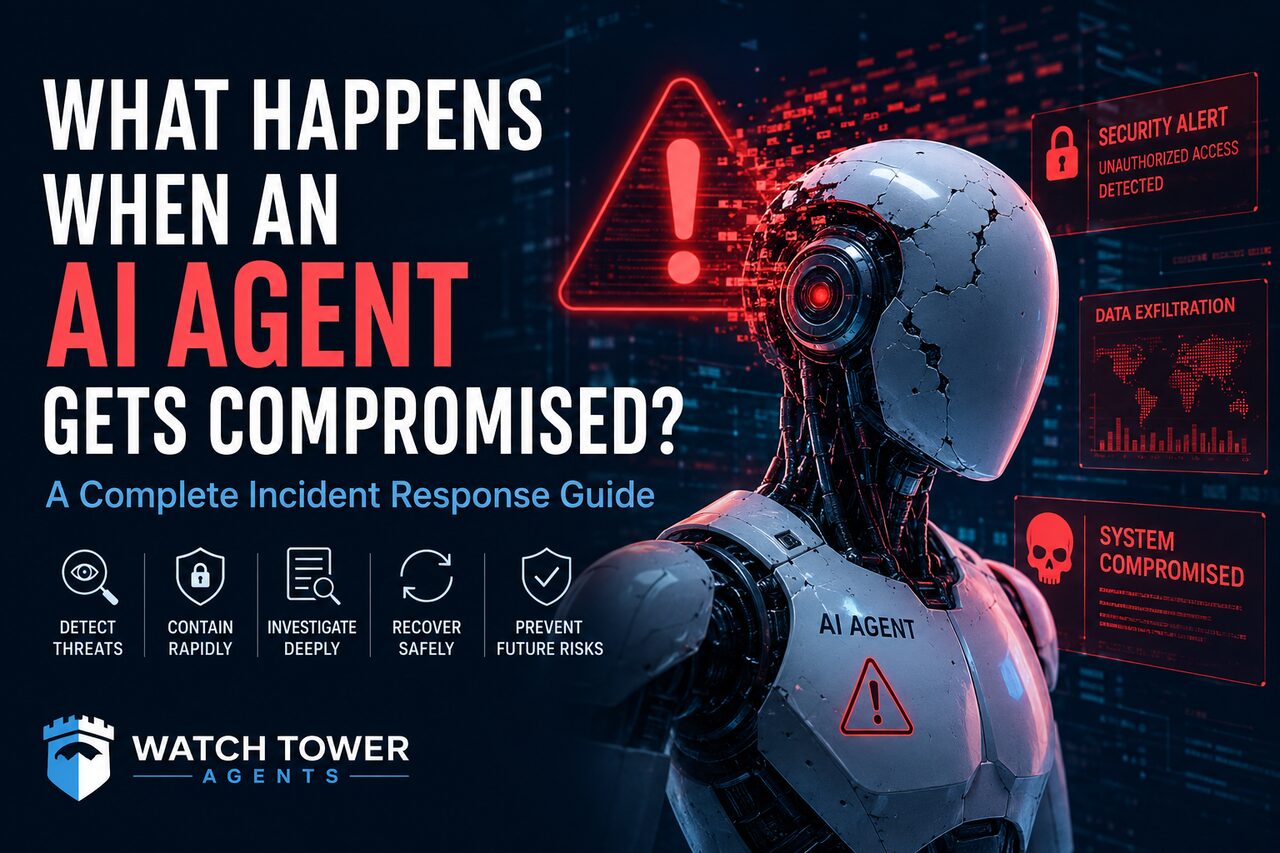
What Happens When an AI Agent Gets Compromised? A Complete Incident Response Guide
When an attacker compromises an autonomous AI agent, damage can spread across systems, customers, and workflows in minutes. This complete incident response guide explains how AI agents get compromised — prompt injection, credential theft, memory and RAG poisoning, tool abuse, excessive permissions — the warning signs to watch for, and the six-phase response playbook (detection, containment, investigation, eradication, recovery, lessons learned) every security team needs.
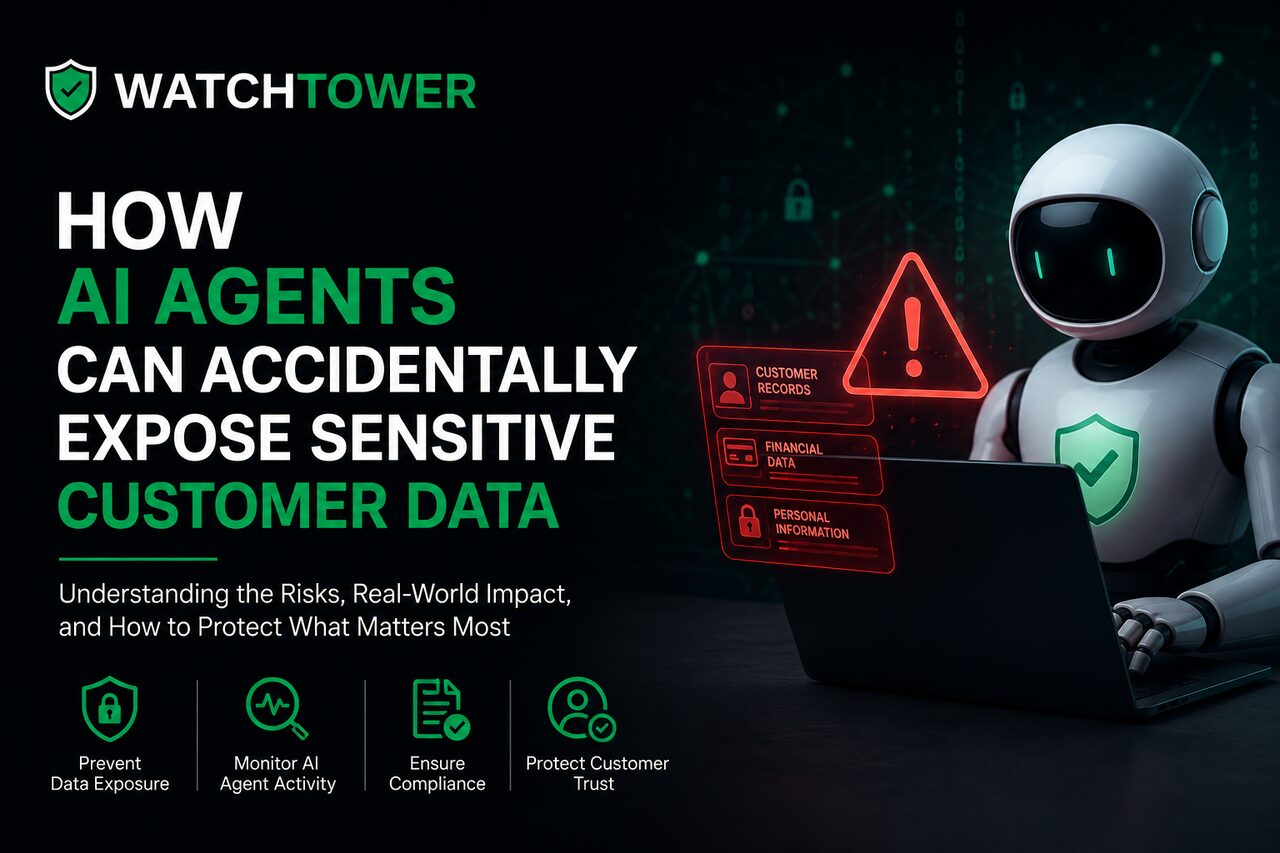
How AI Agents Can Accidentally Expose Sensitive Customer Data
AI agents now reach across CRMs, support systems, finance platforms, and knowledge bases — and a single misconfigured permission, prompt injection, or hallucinated response can leak PII, PHI, or financial records. Here is how accidental AI data exposure happens, the real-world business consequences, and the governance controls that prevent it.
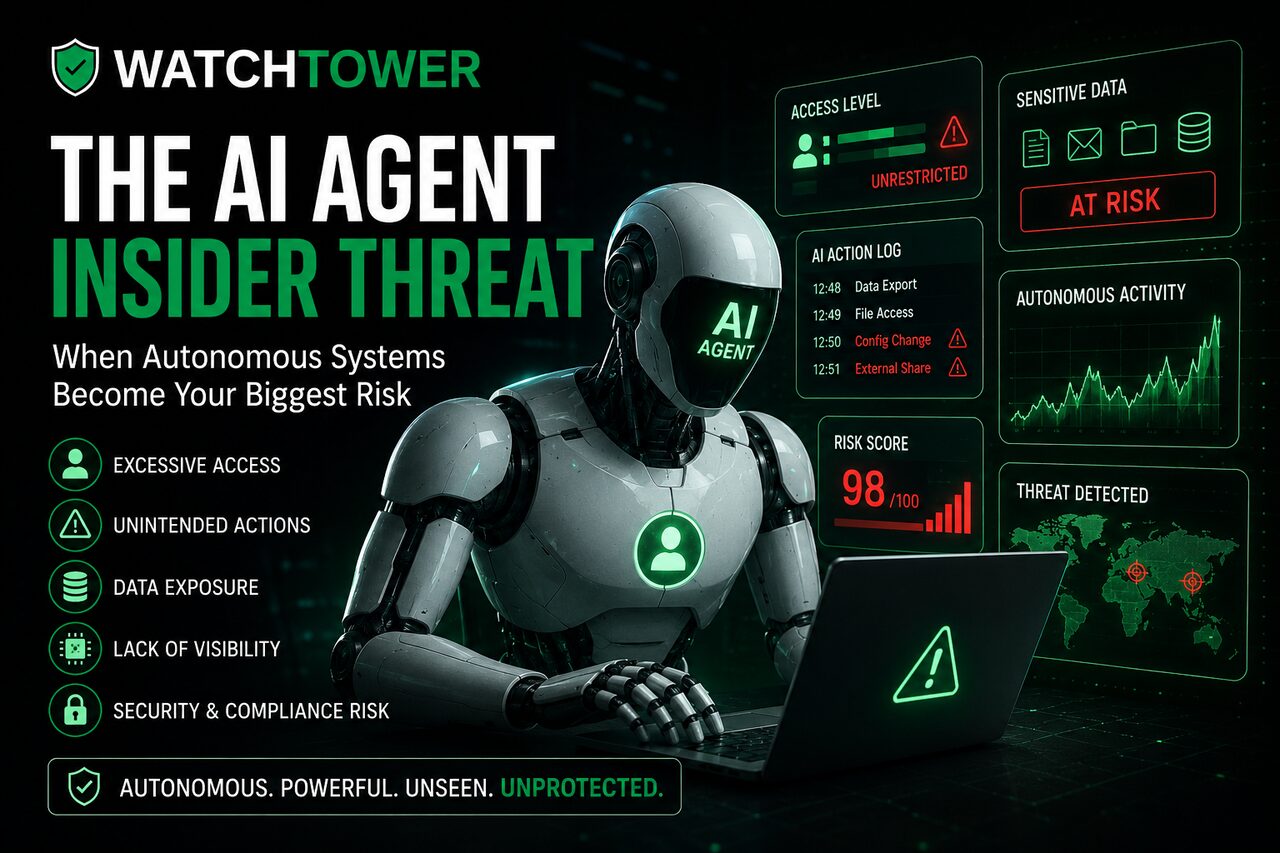
The AI Agent Insider Threat: When Autonomous Systems Become Your Biggest Risk
AI agents are becoming the most privileged digital insiders in the enterprise — with access to customer data, finance systems, cloud infrastructure, and code. Here's why the next major insider threat may come from an autonomous AI, the unique risks of excessive permissions, prompt injection, hallucinations, and goal misalignment, and the governance controls that contain them.
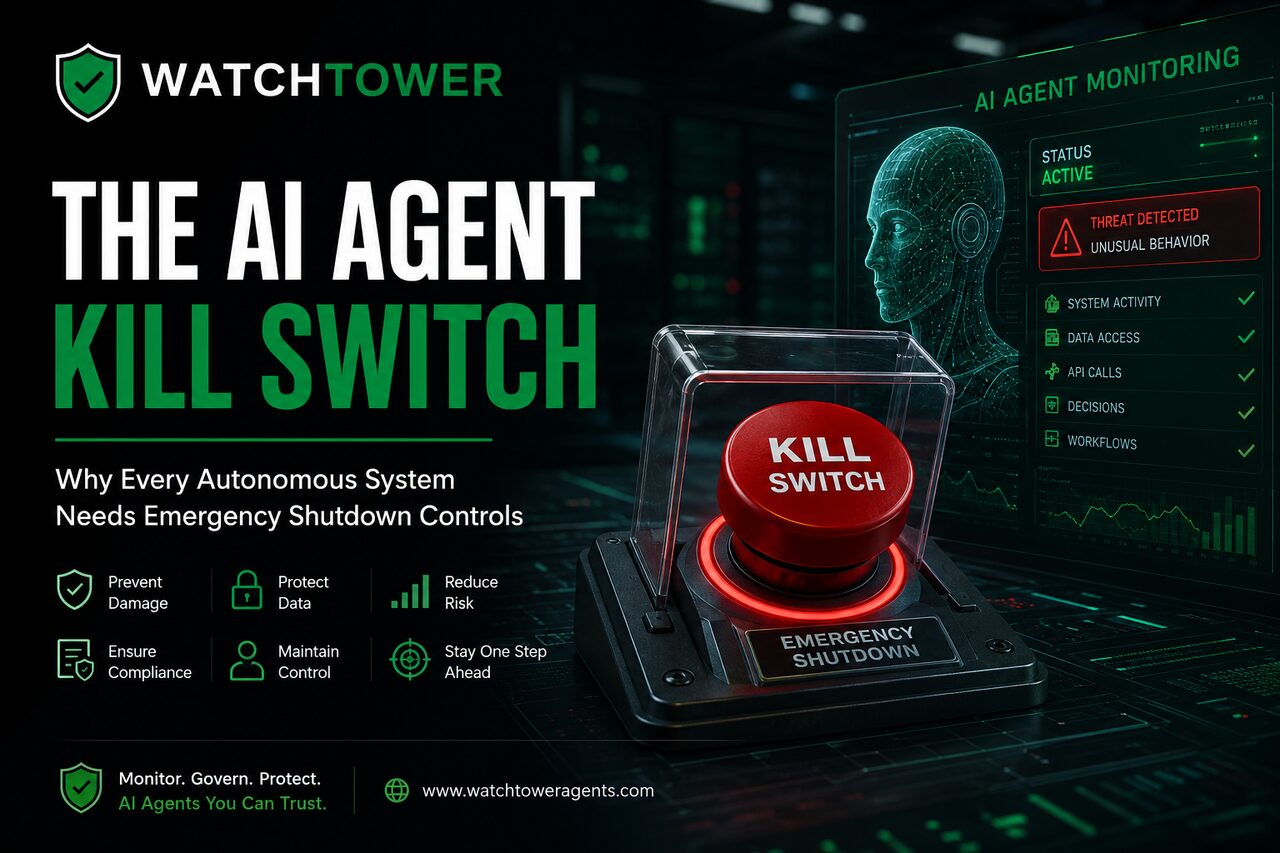
The AI Agent Kill Switch: Why Every Autonomous System Needs Emergency Shutdown Controls
An AI agent kill switch lets enterprises instantly halt autonomous AI when it goes wrong — prompt injection, runaway transactions, data exposure, or infrastructure mistakes. Here is why every autonomous system needs one, what should trigger it, and how to design manual and automated shutdown controls that actually contain incidents at machine speed.
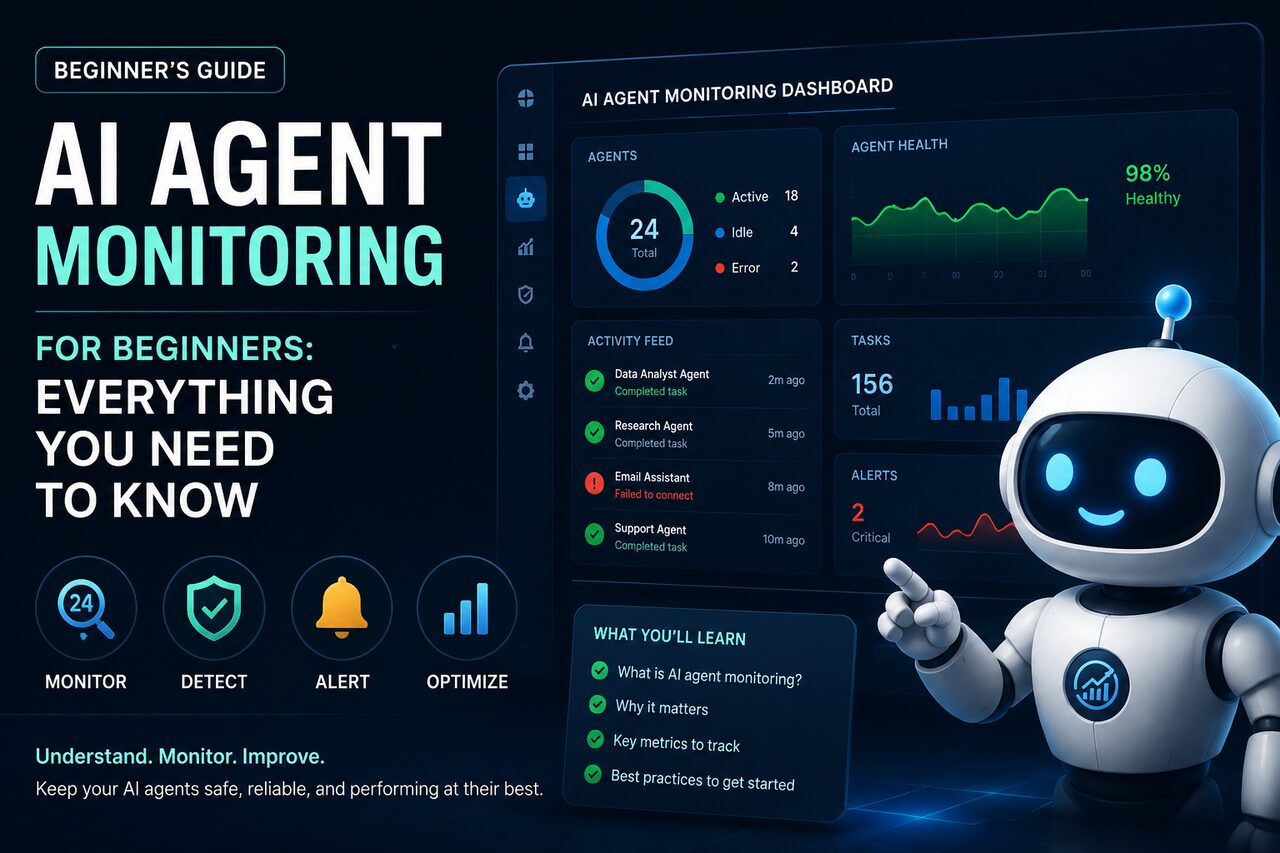
AI Agent Monitoring for Beginners: Everything You Need to Know
A plain-English beginner's guide to AI agent monitoring — what it is, why it matters, the key metrics to track, the tools to know, and a step-by-step starter plan to keep your AI agents safe, reliable, and performing at their best.

LLM Observability in 2026: The Complete Enterprise Guide
LLM observability has become the operational backbone of enterprise AI. This guide explains what it is, why traditional APM falls short, the four signals every team must track, and how to build an observability stack that survives production traffic.

Agentic AI Security: Threats, Controls, and Frameworks for 2026
Autonomous AI agents have a different threat model than chatbots. This guide breaks down the OWASP Agentic AI threat taxonomy, the controls that hold up against real attacks, and the frameworks enterprises are adopting to secure agent fleets at scale.

AI Agent Management Platforms: What Enterprises Need in 2026
Enterprises now operate hundreds of autonomous AI agents across security, sales, finance, and operations. This guide breaks down what an AI agent management platform is, why it has become essential infrastructure in 2026, and what to look for when selecting one.

Prompt Injection in 2026: What Actually Works
Indirect prompt injection has overtaken jailbreaks as the #1 attack vector against agentic AI. This field guide breaks down the threat model, the defenses that hold up in production, and the metrics that prove your stack is working.
SOC 2 for AI Agents: A Practical Field Guide
Auditors are starting to ask hard questions about autonomous systems. This guide maps agent behavior to the Trust Services Criteria, names the evidence your CPA actually wants, and shows how to extend existing controls without rewriting your SOC 2 program.
Real-Time Monitoring for Agentic Workflows
Logs are not enough. This deep dive explains why the next generation of observability has to model intent, not just events, and shows the architecture, instrumentation, and detection patterns that work in production agent stacks.

The Agentic AI Governance Playbook for 2026
Most governance programs were built for predictive models and do not survive contact with autonomous agents. This playbook lays out the operating model, ownership structure, and policy architecture we recommend for organizations deploying agentic AI in production.

Stopping AI Hallucinations Before They Reach Production
Hallucinations stop being a curiosity the moment an agent uses one to call an API. This guide explains the architecture, validation patterns, and policy gates that drive consequential hallucinations toward zero in production agent stacks.
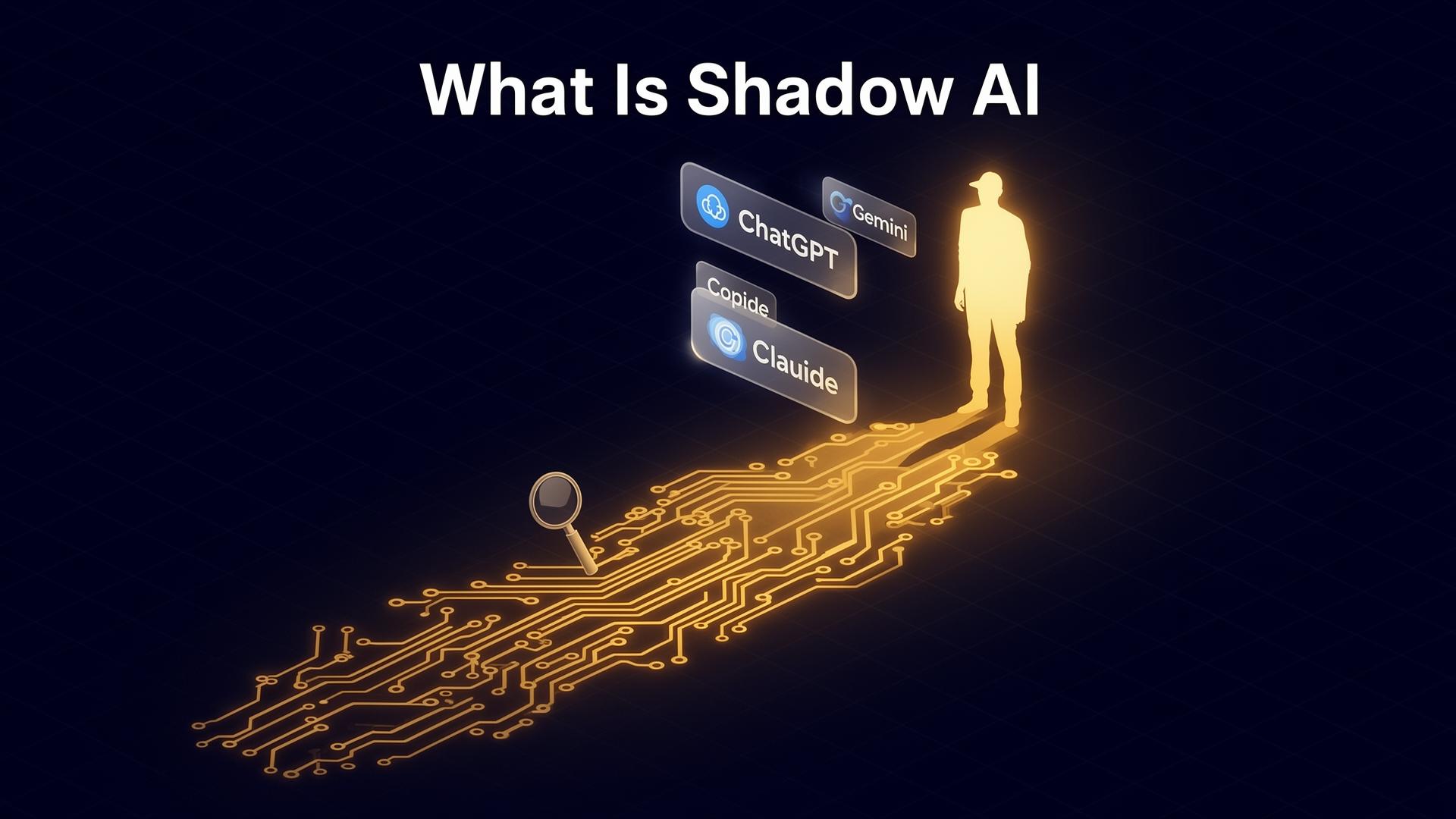
What Is Shadow AI? Risks, Examples & How to Detect It in 2026
Shadow AI is the unsanctioned use of AI tools, agents, copilots, and models by employees outside the visibility of IT and security. Here is a complete guide to what shadow AI is, why it has exploded in 2026, real-world examples, the data, compliance, and security risks it creates, and a step-by-step playbook to detect, govern, and contain it without slowing the business down.
AI Governance Tools: The 2026 Buyer's Guide for Enterprise, Government, and Critical Infrastructure
A definitive 2026 guide to AI governance tools — what they do, the capabilities that actually matter (AI asset inventory, policy-as-code, runtime enforcement, audit evidence), how to evaluate vendors against NIST AI RMF, ISO/IEC 42001, and the EU AI Act, and a scorecard for choosing the right platform.