What Is Shadow AI? Risks, Examples & How to Detect It in 2026
Shadow AI is the unsanctioned use of AI tools, agents, copilots, and models by employees outside the visibility of IT and security. Here is a complete guide to what shadow AI is, why it has exploded in 2026, real-world examples, the data, compliance, and security risks it creates, and a step-by-step playbook to detect, govern, and contain it without slowing the business down.
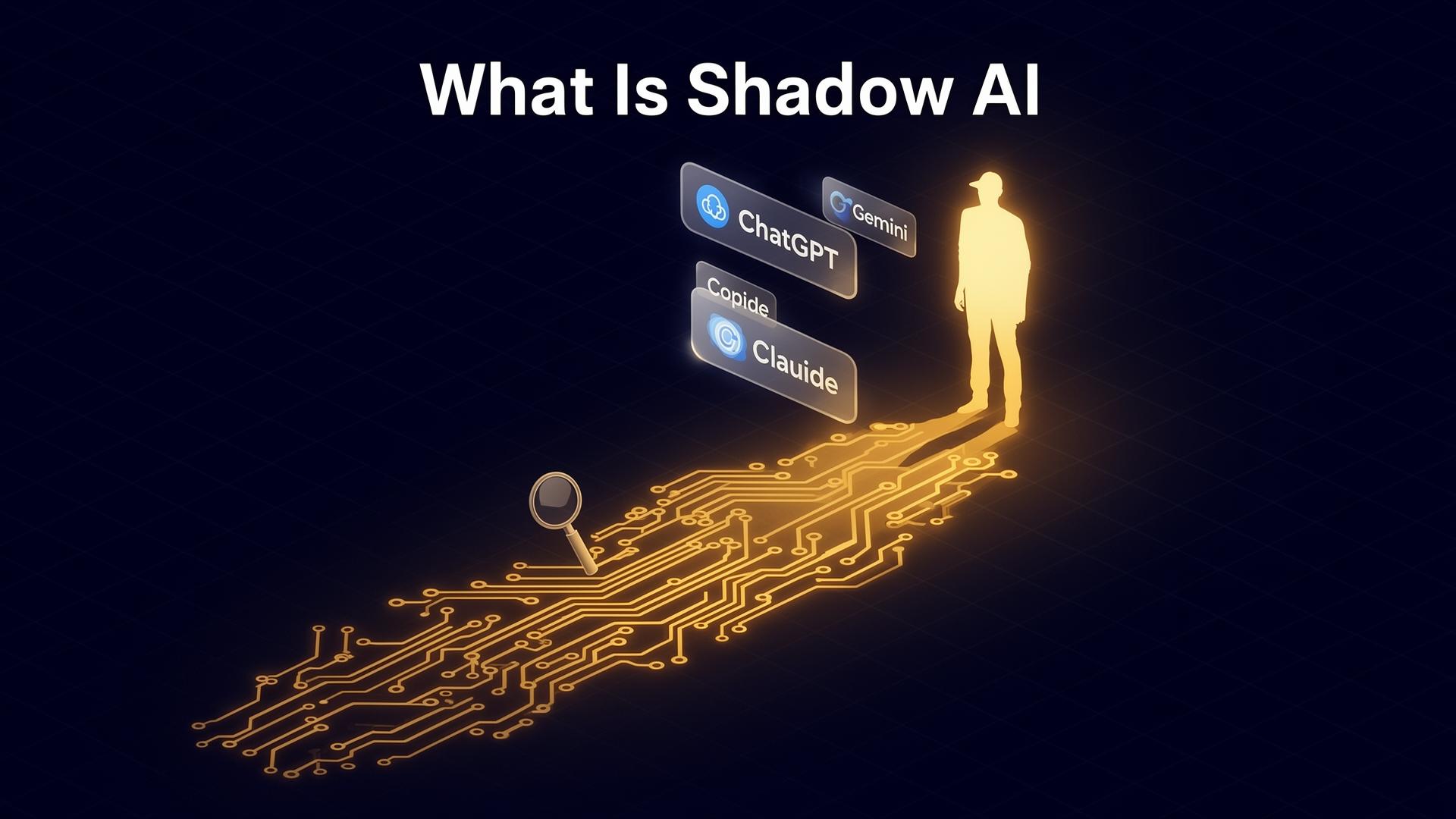
Shadow AI has quietly become the largest unmanaged risk surface in the modern enterprise. While CIOs publish AI strategies and CISOs draft acceptable-use policies, employees are already pasting customer data into ChatGPT, wiring Claude into spreadsheets through unsanctioned plugins, running Cursor against private repositories, and spinning up autonomous agents that touch CRM, email, and payment systems with credentials no one reviewed. By mid-2026, surveys from Gartner, IBM, and Microsoft all converge on the same finding: more than 70% of enterprise AI usage is happening outside official channels.
This guide explains exactly what shadow AI is, why it has exploded, the concrete risks it creates, how to detect it, and how to govern it without killing the productivity employees are chasing. It is written for security, compliance, and platform leaders who need a defensible answer the next time the board, an auditor, or a regulator asks how much AI is really running inside the business.
What is shadow AI? A clear 2026 definition
Shadow AI is the use of any AI capability — chat assistants, code copilots, image and video generators, embeddings APIs, fine-tuned models, browser extensions, autonomous agents, or AI features baked into SaaS tools — for work purposes without the knowledge, approval, or oversight of IT, security, data, or compliance teams. It is the AI-era successor to shadow IT, but with two new properties that make it materially more dangerous: the tools send data to third-party models for training or logging by default, and many of them can take autonomous actions across systems through agentic features, MCP servers, and tool calls.
Shadow AI vs shadow IT vs sanctioned AI
Traditional shadow IT was about unapproved software — a marketing team buying a SaaS tool on a credit card. Shadow AI is broader and harder to see. It includes free consumer accounts (ChatGPT, Claude, Gemini, Perplexity) used on personal devices, paid AI features inside otherwise-sanctioned tools (Notion AI, Slack AI, GitHub Copilot, Microsoft 365 Copilot enabled without review), browser extensions and MCP servers that pipe enterprise data to models, AI-powered Chrome and VS Code plugins, autonomous agents built on n8n, LangChain, CrewAI, or AutoGen running on a developer laptop, and direct API usage of OpenAI, Anthropic, Mistral, or open-source models against company data. Sanctioned AI, by contrast, is any of the above with a documented owner, a data-handling agreement, logging, monitoring, and a clear policy on what can and cannot be sent to it.
Why shadow AI exploded in 2025 and 2026
Three forces compounded. First, the AI productivity gap became impossible to ignore — employees who use AI report 25 to 40% time savings on knowledge work, and they will not wait six months for procurement. Second, the tools got dramatically more capable: GPT-class models with long context, vision, and tool use turned every chat box into a potential agent. Third, MCP (Model Context Protocol), browser-based agents, and one-click integrations collapsed the setup cost to near zero — an employee can connect ChatGPT to Gmail, Drive, GitHub, and Slack in under a minute. Meanwhile, enterprise procurement, security review, and DPIA processes still take weeks. The gap between what is possible and what is approved is exactly the space where shadow AI lives.
Real-world examples of shadow AI in the enterprise
The Samsung incident in 2023, where engineers pasted proprietary source code into ChatGPT, is the canonical example — but the 2026 patterns are broader. Customer-success reps paste full account histories into Claude to draft renewal emails. Finance analysts upload board decks to Gemini for summarization. Legal teams run contract reviews through unvetted GPT wrappers. Developers grant Cursor and Cline access to entire monorepos including .env files. Operations teams build n8n agents that read tickets, query the production database, and send Slack messages — all under one engineer's personal API key. Sales engineers install browser extensions that auto-fill CRM fields by sending page contents to a third-party LLM. None of these show up in a traditional CMDB or SaaS-management tool.
The risks: data leakage, compliance, security, and runaway agents
Shadow AI creates five distinct risk categories. Data leakage: prompts and uploads can be retained, logged, used for training, or exposed through provider breaches — and once data leaves your perimeter, you cannot recall it. Regulatory exposure: GDPR requires lawful basis and DPIAs for AI processing of personal data, HIPAA prohibits PHI in non-BAA-covered tools, the EU AI Act adds risk-tier obligations, and SOC 2 auditors now ask for an AI inventory. Security: unsanctioned plugins, MCP servers, and browser extensions are a fast-growing prompt-injection and supply-chain attack surface. Intellectual property: code, designs, and strategy documents pasted into consumer models may lose trade-secret protection. Autonomous-action risk: shadow agents can send emails, move money, modify records, and call APIs without any approval workflow, audit log, or kill switch.
The 2025 IBM data: shadow AI is now measurable damage
IBM's 2025 Cost of a Data Breach Report found that organizations with high levels of shadow AI experienced average breach costs roughly 16% higher than those without, and took longer to identify and contain incidents. Gartner projects that by 2027, more than 40% of AI-related data breaches will originate from cross-border misuse of generative AI — most of it shadow. The pattern is consistent: shadow AI does not just create theoretical risk, it shows up in incident response timelines, regulatory fines, and post-mortem reports.
How to detect shadow AI: a layered approach
No single tool finds all shadow AI. A working detection stack combines network egress analysis (DNS and proxy logs flagging api.openai.com, api.anthropic.com, generativelanguage.googleapis.com, and dozens more), SSO and OAuth audits (which apps have been granted access to Google Workspace, Microsoft 365, GitHub, Slack), browser-extension inventories via MDM, endpoint DLP rules that flag large pastes into known AI domains, expense-report and corporate-card scans for AI subscriptions, CASB policies tuned for generative AI categories, and — critically — an AI-aware monitoring layer that sees prompts, tool calls, model endpoints, and agent actions in real time, not just the fact that a domain was contacted. Periodic anonymous employee surveys remain one of the highest-signal, lowest-cost discovery tools.
How to govern shadow AI without killing productivity
Blocking does not work. Every enterprise that has tried a hard ban has watched usage move to personal devices and personal accounts, where it is even less visible. The pattern that works in 2026 is a five-step loop. First, discover continuously using the layered detection above. Second, classify each use case by data sensitivity and regulatory tier. Third, sanction fast — stand up an approved enterprise tier (ChatGPT Enterprise, Claude for Work, Microsoft 365 Copilot, a private gateway) within weeks, not quarters, so employees have a legitimate path. Fourth, publish a short, plain-language AI acceptable-use policy that says what data can go where and which agents can take autonomous actions. Fifth, monitor and enforce with an AI-aware control plane that logs prompts, tool calls, and outputs, applies guardrails, and provides a real kill switch when something goes wrong.
Shadow AI policy: what to put in writing
An effective shadow AI policy is one page, not twenty. It names the sanctioned tools and tiers, defines three data classes (public, internal, restricted) and what may be sent to which tools, requires SSO for every AI tool that supports it, prohibits personal accounts for work data, requires registration of any autonomous agent that takes write actions, mandates a named human owner for every agent, requires logging of prompts and tool calls for restricted-data use cases, and defines the incident-response path for AI-related events. Pair it with a fast-track exception process — shadow AI thrives wherever the official path is slower than the rogue one.
How Watch Tower Agents helps you eliminate shadow AI risk
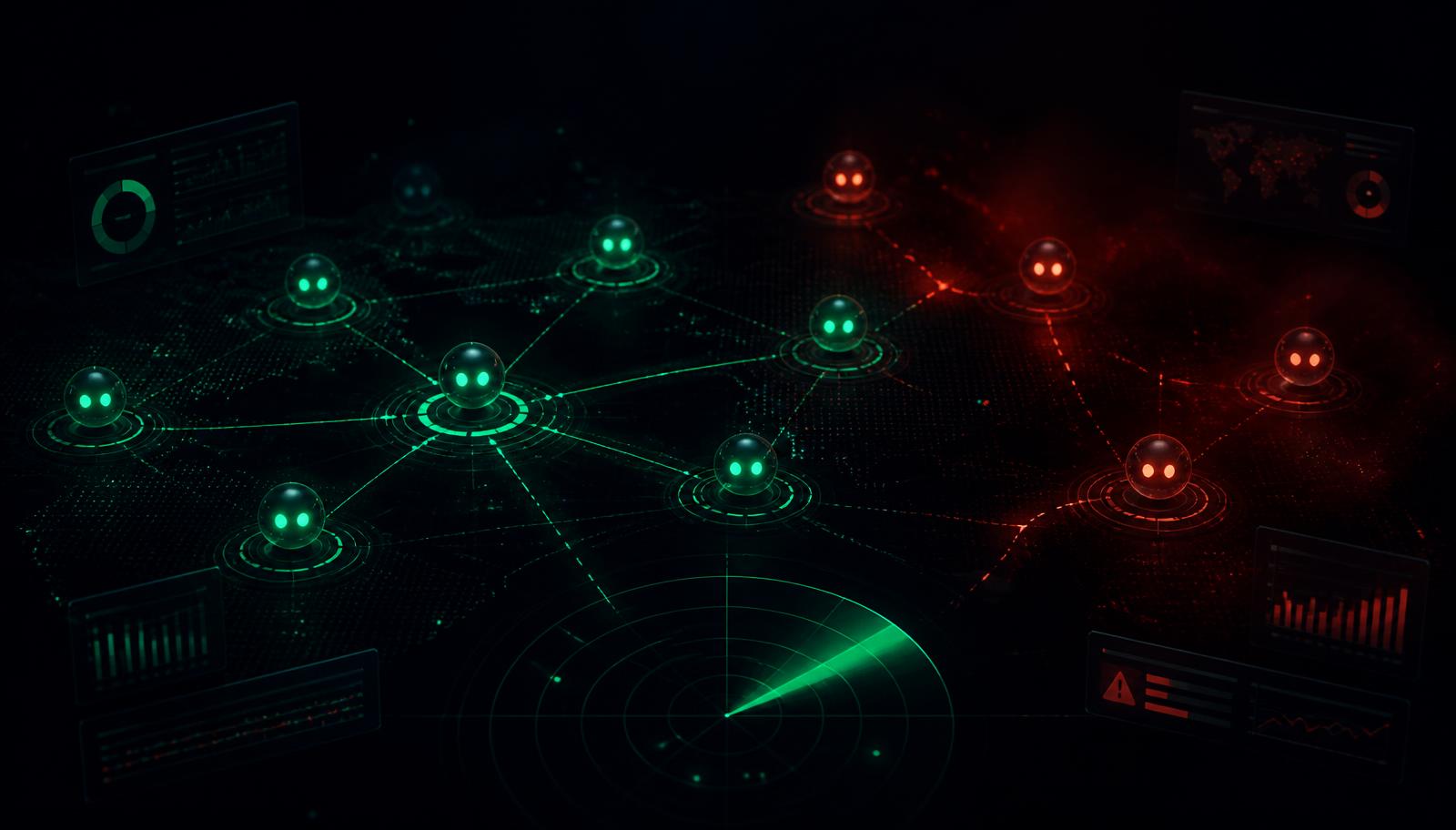
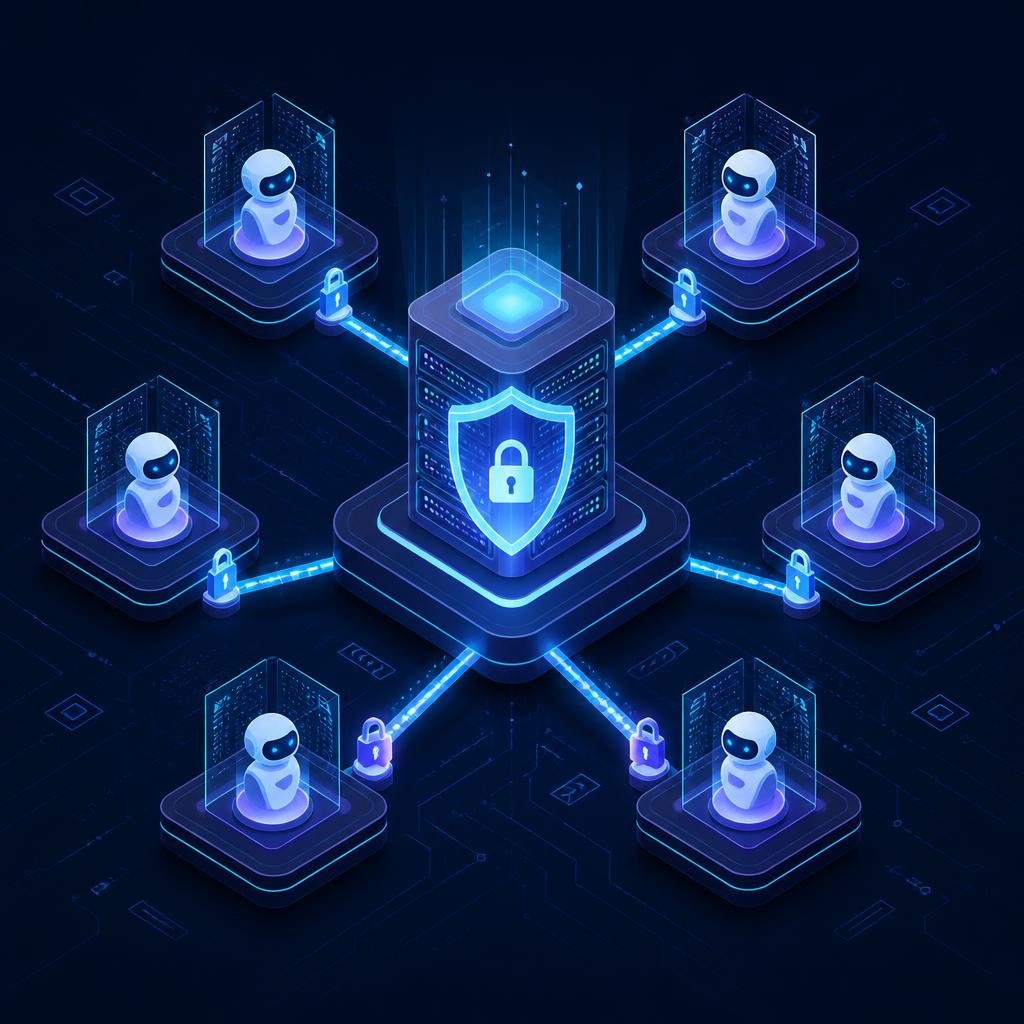
Watch Tower Agents gives security and platform teams a continuously updated inventory of every AI agent, copilot, and model endpoint touching the enterprise — sanctioned or not. It logs prompts, retrievals, tool calls, and autonomous actions with model and prompt versioning, applies real-time guardrails for sensitive data, surfaces anomalies and prompt-injection attempts, and provides a one-click kill switch for any agent or integration. Compliance teams get audit-ready evidence mapped to SOC 2, HIPAA, GDPR, and the EU AI Act, while employees keep the productivity gains that drove them to shadow AI in the first place.
The bottom line
Shadow AI is not a future problem — it is the default state of enterprise AI in 2026. The organizations winning this curve are not the ones with the strictest bans; they are the ones that discover usage honestly, sanction safe alternatives quickly, and monitor every AI agent and prompt with the same rigor they apply to production code. Done well, governing shadow AI does not slow the business down. It is what finally lets the business move at AI speed safely.
Frequently asked questions
What is shadow AI in simple terms?
Shadow AI is any use of AI tools, agents, copilots, browser extensions, or models for work without approval from IT, security, or compliance. It includes free ChatGPT accounts on personal devices, AI features turned on inside SaaS tools without review, and developer-built autonomous agents running on unsanctioned API keys.
How is shadow AI different from shadow IT?
Shadow IT is unapproved software in general. Shadow AI is a specific, faster-growing subset where the unapproved tool sends data to third-party AI models and increasingly takes autonomous actions through agentic features and MCP integrations — making both data-leakage and action-level risks materially higher than classic shadow IT.
What are the biggest risks of shadow AI?
Data leakage to third-party models, regulatory exposure under GDPR, HIPAA, and the EU AI Act, prompt-injection and supply-chain attacks via unvetted plugins and MCP servers, loss of trade-secret protection on pasted IP, and untracked autonomous agent actions across email, code, CRM, and payment systems.
How do you detect shadow AI?
Combine network and DNS egress monitoring for AI provider domains, SSO and OAuth grant audits, browser-extension inventories via MDM, endpoint DLP rules for AI domains, CASB policies for generative AI, expense-report scans for AI subscriptions, anonymous employee surveys, and an AI-aware monitoring layer that captures prompts, tool calls, and agent actions in real time.
Can you just block ChatGPT and other AI tools?
Blocking rarely works. Hard bans push usage to personal devices and accounts, where it becomes invisible and even riskier. The effective pattern is to sanction safe enterprise alternatives quickly, publish a clear acceptable-use policy, and monitor continuously instead of trying to firewall AI away.
How does Watch Tower Agents help with shadow AI?
Watch Tower Agents continuously discovers every AI agent and model endpoint in your environment, logs prompts and tool calls with full versioning, applies real-time guardrails for sensitive data, detects prompt-injection and anomalous behavior, and provides a one-click kill switch — with audit-ready evidence mapped to SOC 2, HIPAA, GDPR, and the EU AI Act.
Govern your agents before they ship
See WatchTower running on your stack in a 30-minute walkthrough.
Keep reading