
Your compliance audit, continuously prepared.
WatchTower Agents connects to your business systems, collects verified evidence, monitors every control, and keeps your audit workspace current—without spreadsheets or evidence-chasing.
Audit readiness
Readiness trend · 90 days
Evidence intake stream
1,248 this monthConnect the systems that already run your business
How it works
From scattered systems to continuous audit readiness
WatchTower turns the work your teams already do into structured, current, and defensible compliance evidence.
Connect your stack
Authorize read-only access to cloud, identity, code, HR, collaboration, and endpoint systems.
Collect and verify
Agents capture screenshots and API evidence, retain source context, and verify freshness automatically.
Map once, reuse everywhere
Controls and artifacts map across SOC 2, HIPAA, ISO 27001, PCI DSS, NIST, and CIS.
Stay audit-ready
Owners receive missing-evidence alerts, AI remediation guidance, and recurring readiness reports.
Try it live
Simulate an audit run
Watch WatchTower check sample controls across connected systems, score readiness, and package evidence your auditor can use.
Readiness score
—
0/6 controls checked
- CloudTrail enabled in all regionsAWS · SOC 2 CC7.2
- MFA enforced for all usersGoogle Workspace · ISO 27001 A.8.5
- Branch protection on mainGitHub · SOC 2 CC8.1
- Offboarded users deprovisioned < 24hOkta / HR · HIPAA 164.308
- TLS 1.2+ enforced on all zonesCloudflare · PCI DSS 4.2.1
- Disk encryption on managed devicesEndpoints · CIS 3.6
Evidence vault
A secure system of record for every audit artifact
No more evidence buried in tickets, chat threads, and personal folders. Every artifact stays organized, attributable, current, and ready for review.
Automated screenshots
Capture time-stamped visual evidence from approved administrative surfaces.
API-native collection
Pull configurations, logs, memberships, policies, and control records at source.
Evidence integrity
Keep source, collector, time, hash, owner, and framework mappings with every artifact.
Auditor-ready exports
Package evidence by framework, control, owner, period, and audit request.
Continuous monitoring
Know which controls are healthy before your auditor asks
WatchTower tracks collection schedules, evidence freshness, ownership, exceptions, and control status—then alerts the right person when something changes.
Audit-readiness score
Based on control health, evidence freshness, unresolved findings, and ownership coverage.
AI remediation guidance
Convert findings into prioritized, owner-ready remediation steps.
Policy analysis
Review policies and procedures for gaps, conflicts, and missing control language.
Employee access reviews
Summarize access, flag outliers, and prepare reviewer decisions with context.
Recurring reports
Generate concise compliance updates for executives, boards, and control owners.
AI compliance agent
Move from finding to resolution with context intact
WatchTower reads the evidence, control language, policies, and ownership data already in your workspace to explain what is missing and what to do next.
“MFA coverage fell below your 98% threshold after three contractor accounts were added. Assign to IT, verify enrollment, and recollect Microsoft 365 evidence.”
Suggested action · Human approval required
Integrations
Evidence from the systems where work actually happens
Connect the services your teams already use. WatchTower turns approved system data into normalized, traceable evidence without asking employees to become compliance administrators.
Cloud & infrastructure
- AWS
- Microsoft Azure
- Google Cloud
- Cloudflare
- Kubernetes
Identity & productivity
- Microsoft 365
- Google Workspace
- Okta
- Slack
- Microsoft Entra ID
Engineering & security
- GitHub
- GitLab
- CrowdStrike
- Jamf
- Microsoft Defender
People & business
- HRIS platforms
- Endpoint platforms
- Ticketing systems
- Policy repositories
- Custom API
Framework mapping
One control fabric. Multiple audit programs.
Reuse evidence across overlapping requirements, see where coverage diverges, and keep every framework mapped to the same source of truth.
Built for lean teams
Enterprise-grade compliance operations without enterprise overhead
Give security, IT, HR, engineering, and leadership one current view of audit readiness and the next action that matters.
SaaS & technology
Accelerate SOC 2 and ISO 27001 readiness without slowing product teams.
Healthcare
Maintain HIPAA evidence across identity, endpoint, vendor, and policy controls.
Regulated business
Coordinate recurring audits, access reviews, and evidence across multiple entities.
Growing SMBs
Replace spreadsheets with a guided compliance operating system your team can own.
Evidence deserves a security model of its own.
Sensitive configurations, policies, and access data stay controlled through strict authorization, complete audit history, and carefully scoped collection.
Pricing
Less evidence-chasing. More control over every audit.
Choose the operating model that fits your compliance scope. Each plan is designed to reduce manual collection and keep evidence current throughout the year.
Starter
For small teams preparing for their first audit
- 1 compliance framework
- Core cloud and workspace connectors
- Automated evidence vault
- Readiness score and missing-evidence alerts
- Email support
Growth
For scaling teams running multiple frameworks
- Up to 3 frameworks mapped automatically
- All integrations incl. HR and endpoint tools
- AI remediation guidance
- Employee access reviews
- Auditor-ready exports
Pro
For companies with continuous audit obligations
- Unlimited frameworks and entities
- Executive dashboards and board reporting
- Recurring scheduled compliance reports
- Policy and document analysis
- Priority support with audit assistance
Enterprise
For complex, regulated organizations
- Custom frameworks and integrations
- SSO, advanced roles, and retention
- Dedicated security review
- Priority implementation and support
Prices in USD. Annual plans are billed yearly and include two months free. Taxes are calculated at checkout. Certifications and attestations are issued by independent auditors, not WatchTower Agents.
Compliance library
Practical guidance for teams doing the work
Research and field guides on governance, audit evidence, security controls, and operating trustworthy systems.
AI Runtime Security
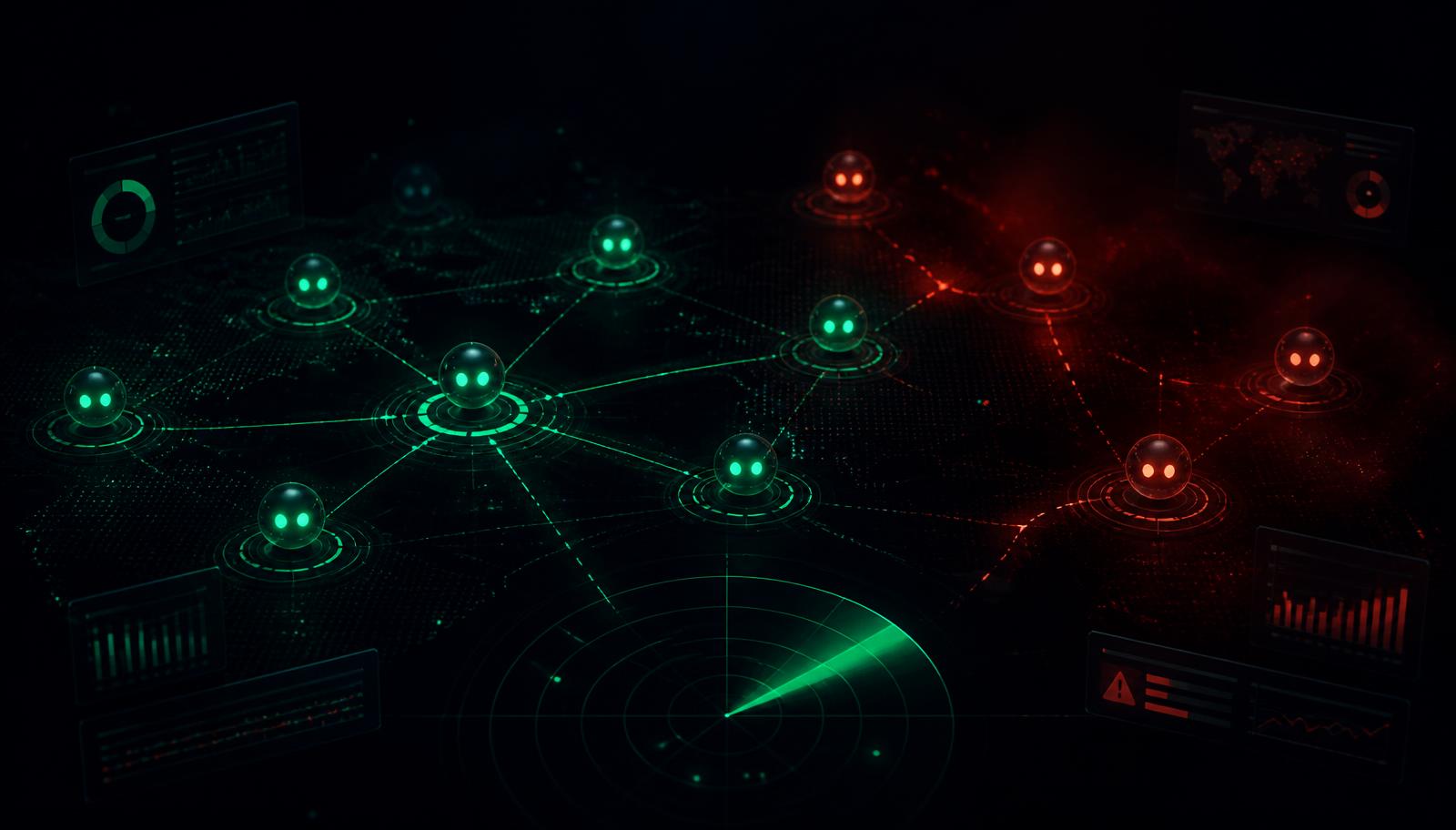
The Risks of AI Agents Without Monitoring: What Unobserved Autonomy Costs Enterprises in 2026
Unmonitored AI agents create silent, compounding risk — runaway token spend, data exfiltration, prompt injection, hallucinated actions, non-human identity sprawl, and audit gaps. A practical 2026 guide to the twelve risks of running AI agents without monitoring, the warning signs, and the observability and runtime controls that close them.

AI Governance
AI Agent Guardrails: The Complete Guide to Token, Cost, and Safety Controls in 2026
A practical, framework-aligned guide to AI agent guardrails in 2026 — input and output filters, token and cost caps, tool-call allow-lists, PII and secret redaction, hallucination and prompt-injection defense, human-in-the-loop gates, and audit evidence that maps to NIST AI RMF, ISO/IEC 42001, SOC 2, and the EU AI Act.
AI Security
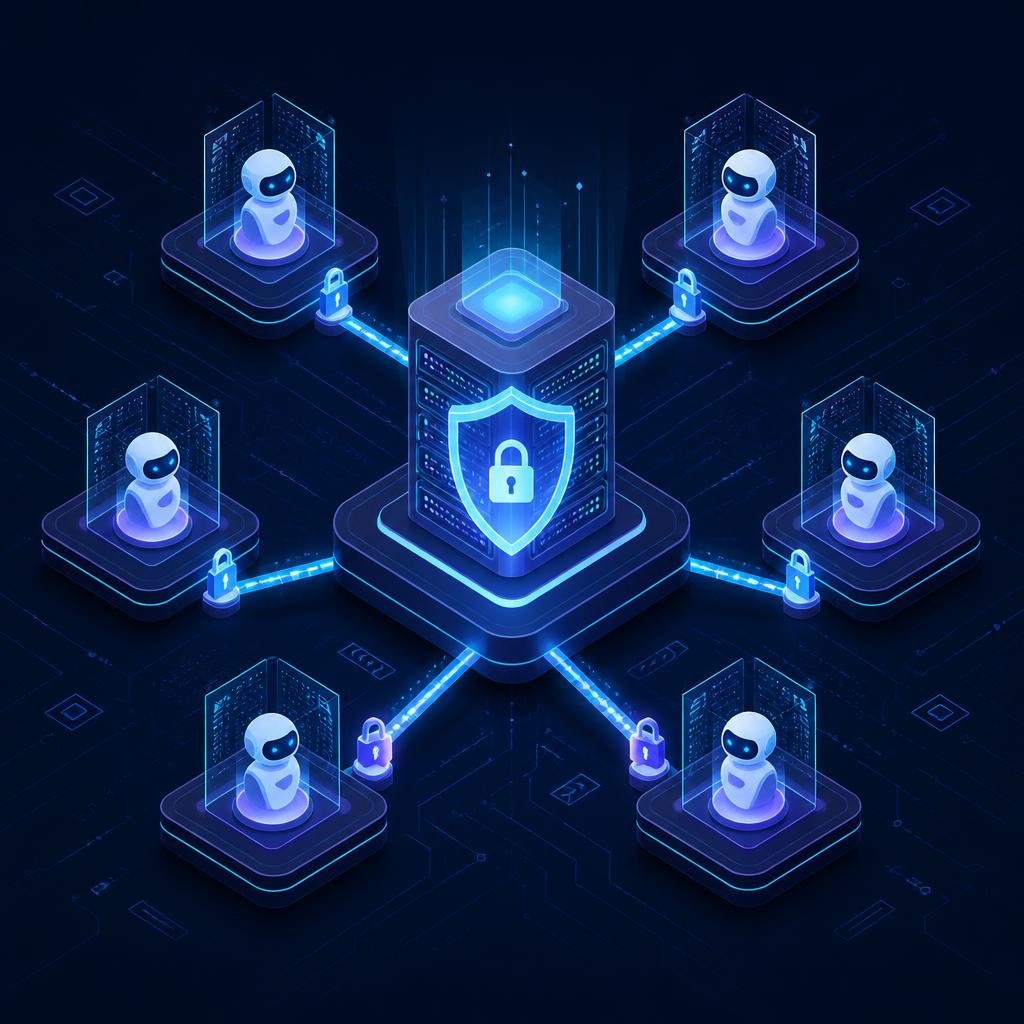
MCP Server Security: The 2026 Guide to Securing Model Context Protocol Servers
A complete guide to MCP server security in 2026 — how the Model Context Protocol works, the top attack surfaces (tool poisoning, prompt injection through tool descriptions, credential leakage, confused deputy), and the controls enterprises need to run MCP safely at scale.
Frequently asked questions
What compliance leaders ask first
Clear answers about evidence collection, frameworks, AI guidance, and audit readiness.
What evidence can WatchTower Agents collect?+
WatchTower Agents can collect screenshots, configuration snapshots, access lists, policy files, audit logs, API responses, and control records from connected cloud, identity, code, collaboration, HR, and endpoint systems. Each artifact retains its source, collection time, control mapping, and verification status.
Which compliance frameworks are supported?+
The platform maps shared evidence and controls across SOC 2, HIPAA, ISO 27001, PCI DSS, NIST CSF, and CIS Controls. One verified artifact can support multiple mapped requirements, reducing duplicate work across audits.
Does WatchTower Agents replace an auditor?+
No. WatchTower Agents prepares and organizes evidence, monitors control health, and helps teams remediate gaps. Independent auditors still determine whether your organization satisfies certification or attestation requirements.
How does continuous evidence collection work?+
Read-only connectors collect approved evidence on a schedule or when relevant changes occur. WatchTower normalizes each artifact, verifies its source, maps it to controls, and flags stale or missing evidence before audit time.
Can we review AI-generated recommendations before acting?+
Yes. Remediation guidance is advisory and includes the related finding, affected control, supporting evidence, and suggested owner. Your team reviews and approves operational changes.
How quickly can we get started?+
Teams can begin by connecting a core system and selecting a target framework. WatchTower then builds an initial evidence inventory and readiness view, with broader rollout planned around your systems and audit scope.
Enterprise contact
Stop preparing for audits one screenshot at a time.
Tell us which frameworks and systems matter. We’ll map the first collection plan and show how WatchTower can keep your evidence continuously prepared.